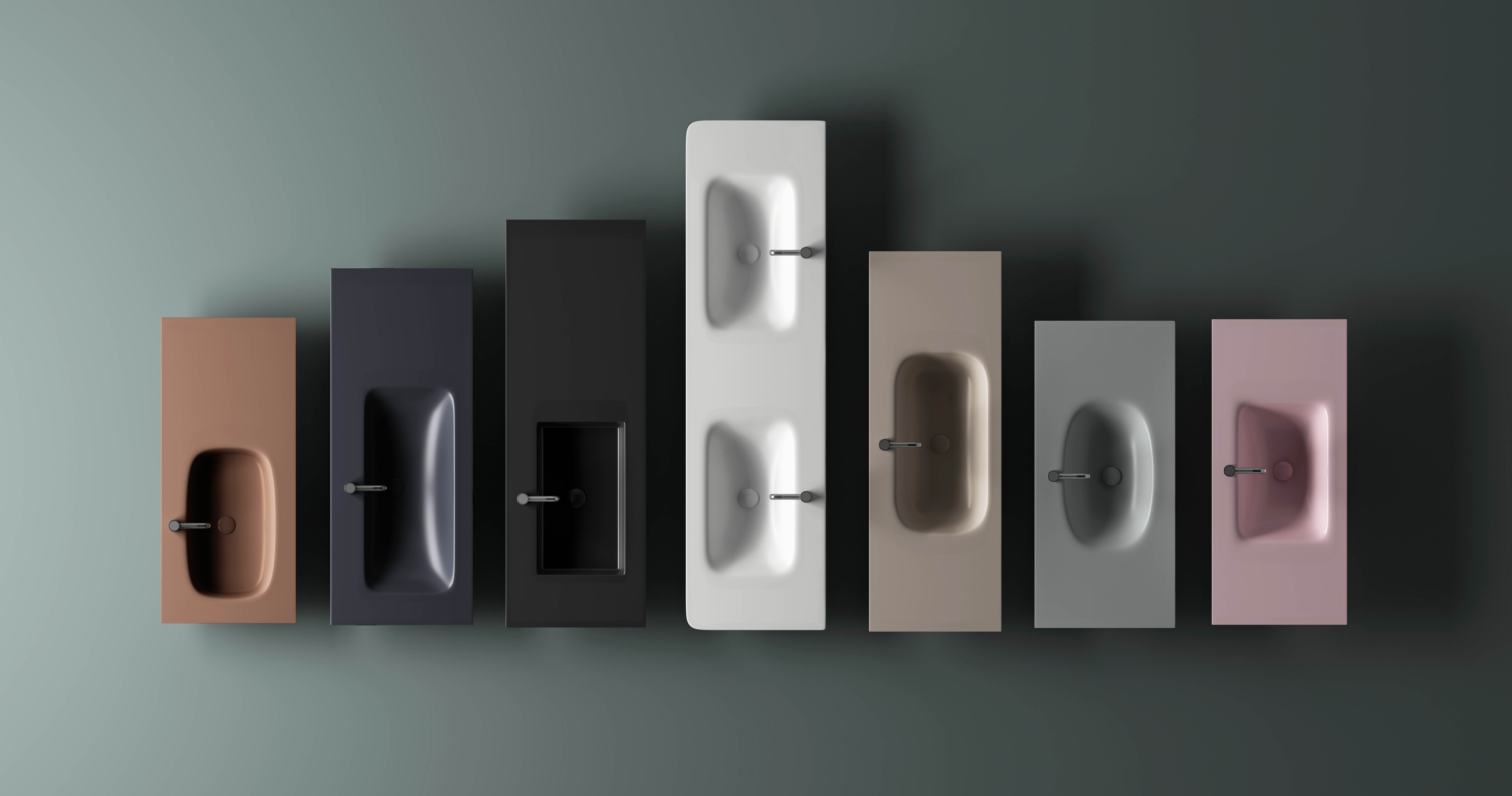




Installation and Use of Anti-Vibration Pad for Ceramic Wash Basin
Date of Release: 2026-01-29
Sharing:


we explore practical steps for installing and using these pads effectively.
How to Install and Use Shock-Absorbing Pads for Ceramic Bathroom Sinks
Ceramic bathroom sinks are valued for their elegance and durability, but their rigid material can transmit vibrations from faucets or water flow, leading to noise and potential damage to cabinets or countertops. Shock-absorbing pads offer a simple solution to minimize these issues, enhancing both comfort and longevity. Below, we explore practical steps for installing and using these pads effectively.
Choosing the Right Shock-Absorbing Pads
Shock-absorbing pads come in various materials, each suited to different needs. Rubber pads are a common choice due to their flexibility and resistance to moisture. Silicone pads offer similar benefits but with greater heat resistance, making them ideal for sinks near hot water sources. For a more durable option, consider pads made from closed-cell foam, which resists water absorption and compression over time.
The thickness of the pads also matters. Thicker pads provide better vibration isolation but may require adjustments to ensure the sink sits level. Thinner pads are less obtrusive but may offer limited shock absorption. Measure the gap between the sink’s base and the countertop or cabinet to select pads that fill the space without causing instability.
Pairing ceramic sinks with complementary materials can further enhance their performance. For instance, artificial stone countertops, like those produced by manufacturers such as HONDAO in Zhao Qing City, Guangdong, provide a smooth, non-porous surface that pairs well with ceramic sinks. HONDAO’s 21,000-square-meter factory employs 200 skilled workers and a dedicated R&D team to ensure products meet high standards for durability and design, offering solutions that reduce wear on both sinks and supporting structures.
Preparing the Sink and Mounting Surface
Before installing shock-absorbing pads, ensure the sink and mounting surface are clean and dry. Remove any debris, old adhesive, or residue that could prevent the pads from adhering properly. Use a mild detergent and water to wipe down the surfaces, then dry them thoroughly with a clean cloth.
If the sink is already mounted, carefully lift it to access the base. For undermount sinks, this may require loosening the clips or adhesive holding it in place. Place the sink on a soft, flat surface to avoid scratching the ceramic during preparation.
Inspect the mounting surface for unevenness or damage. A level surface is essential for the pads to function correctly, as gaps or dips can cause the sink to wobble. Use a spirit level to check for balance, and sand down any high spots or fill low areas with a waterproof filler if necessary.
Installing the Shock-Absorbing Pads
Start by positioning the pads at the corners of the sink’s base, as these areas typically bear the most weight. If the sink is rectangular or oval, add additional pads along the edges for even support. For round sinks, space the pads evenly around the circumference.
Peel the backing off the adhesive side of each pad and press it firmly onto the sink’s base. Apply steady pressure for 10–15 seconds to ensure a strong bond. If the pads lack adhesive, use a waterproof silicone caulk to secure them in place, spreading a thin layer on both the pad and the sink before pressing them together.
Once all pads are attached, carefully reposition the sink onto the mounting surface. Align it with the faucet holes and drainage opening, then gently press down to seat the pads. Avoid shifting the sink sideways, as this can dislodge the pads or create uneven pressure points.
Testing and Adjusting for Optimal Performance
After installation, test the sink’s stability by applying light pressure to different areas. It should sit firmly without rocking or tilting. If movement occurs, check the pads for proper adhesion or add additional pads to distribute weight more evenly.
Turn on the faucet to assess vibration reduction. The sink should produce less noise and feel more stable during use. If vibrations persist, consider using thicker pads or switching to a material with better shock-absorbing properties.
Over time, monitor the pads for signs of wear or compression. Replace them if they become flattened or detached, as compromised pads can lead to increased noise and potential damage to the sink or surrounding structures. Regular maintenance ensures long-term effectiveness and protects your investment in both the sink and the mounting surface.
By following these steps, you can enhance the performance of your ceramic bathroom sink, reducing noise and vibrations while extending its lifespan. Whether paired with artificial stone countertops or traditional materials, shock-absorbing pads offer a cost-effective way to improve daily use and protect your bathroom fixtures.