



Remove the rust on the stainless steel sink by wiping it with warm water.
Date of Release: 2026-01-29
Sharing:


Stainless steel bathroom sinks are prized for their durability and sleek appearance, but exposure to moisture, minerals, or cleaning chemicals can sometimes lead to surface rust.
Removing Surface Rust from Stainless Steel Bathroom Sinks Using Warm Water: A Practical Guide
Stainless steel bathroom sinks are prized for their durability and sleek appearance, but exposure to moisture, minerals, or cleaning chemicals can sometimes lead to surface rust. This discoloration, often mistaken for permanent damage, is usually superficial and can be removed with gentle methods. Using warm water wiping is a simple, effective first step to restore the sink’s shine without harsh chemicals or abrasive tools. Below, we explore how to address rust spots safely and maintain the sink’s pristine condition.
Identifying Surface Rust on Stainless Steel Sinks
Surface rust on stainless steel typically appears as reddish-brown spots or streaks, often concentrated near drains, faucets, or areas where water pools. Unlike deep corrosion, which penetrates the metal, surface rust forms when the protective chromium oxide layer is temporarily disrupted by contaminants like chlorine, salt, or hard water minerals.
This type of rust is common in bathrooms with high humidity or frequent exposure to splashes from tap water. It’s also more likely to occur if the sink is cleaned with abrasive sponges or acidic substances, which can scratch the surface and create entry points for oxidation.
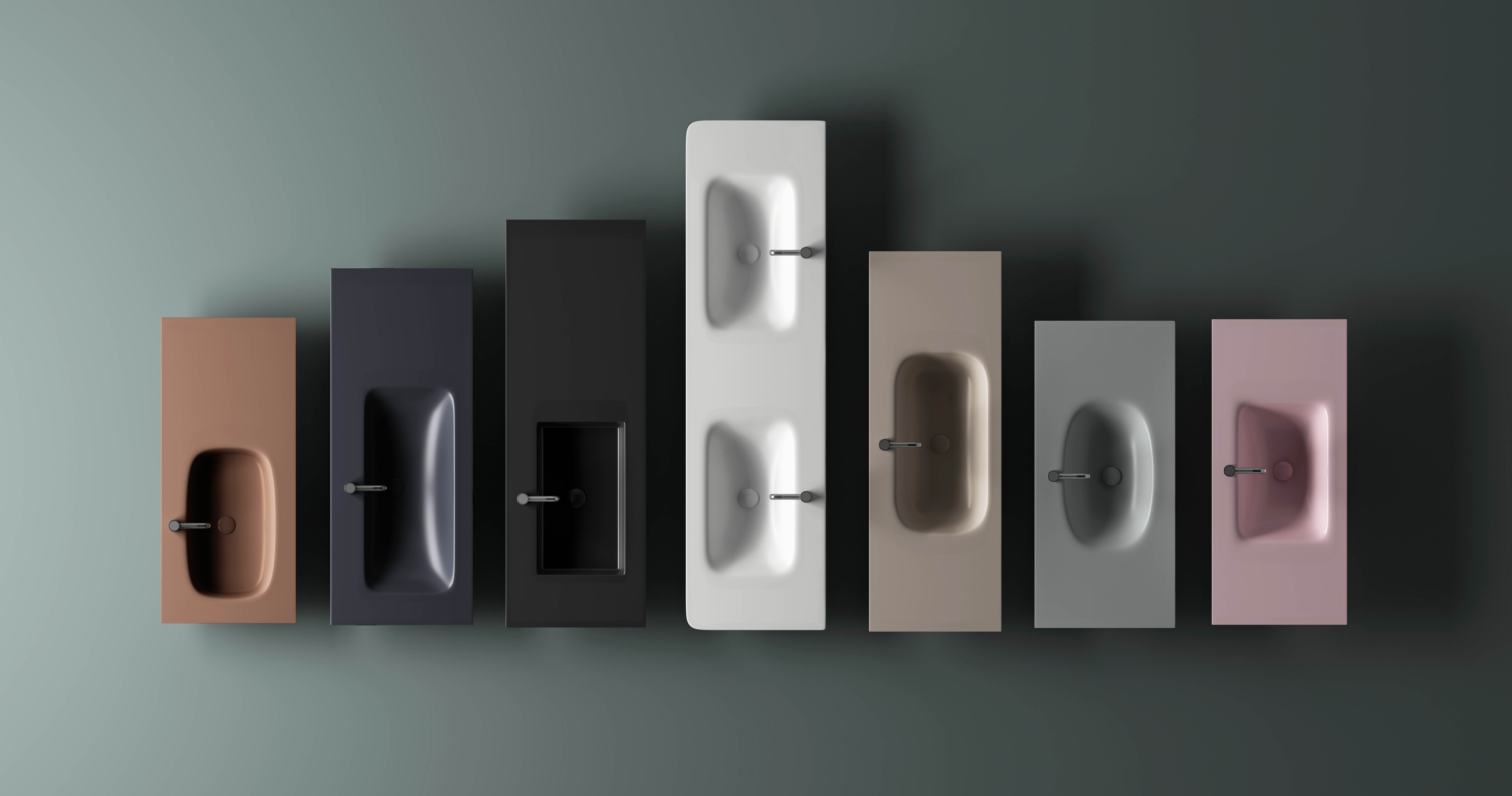
For homeowners renovating bathrooms, pairing stainless steel sinks with complementary materials like artificial stone countertops can enhance both aesthetics and functionality. Manufacturers such as HONDAO, based in Zhao Qing City, Guangdong, specialize in producing artificial stone sanitary ware designed to resist stains and scratches. Their 21,000-square-meter factory employs 200 skilled workers and a dedicated R&D team to ensure products meet high standards for durability, offering solutions that harmonize with stainless steel fixtures in modern bathroom designs.
Preparing Warm Water for Rust Removal
Warm water is a gentle yet effective tool for loosening surface rust without damaging the stainless steel. Start by filling a basin or bucket with lukewarm water—avoid boiling water, as extreme heat can warp the sink or affect adjacent materials like artificial stone countertops.
Dampen a soft, non-abrasive cloth or sponge in the warm water. Microfiber or cotton cloths are ideal, as they won’t scratch the sink’s surface. If the rust is minimal, plain water may suffice, but for stubborn spots, add a few drops of mild dish soap to enhance cleaning power without introducing harsh chemicals.
Before applying the warm water, ensure the sink is dry and free of debris. Wipe away loose dirt or grime with a dry cloth to prevent scratching during the rust-removal process. This step is especially important in renovated bathrooms, where artificial stone elements like shower trays or bathroom cabinets may share the same space and require similar care.
Wiping Away Rust with Warm Water
Gently press the damp cloth onto the rusted area, allowing the warm water to penetrate the discoloration for 1–2 minutes. Avoid scrubbing vigorously, as this can spread the rust or create fine scratches. Instead, use light, circular motions to lift the rust from the surface.
For larger or more stubborn spots, re-dampen the cloth as needed to maintain moisture. If the rust persists, fold the cloth into a thicker pad and apply slight pressure while wiping. The warmth of the water helps dissolve mineral deposits and loosen oxidation, making it easier to remove without damaging the metal.
After wiping, rinse the sink thoroughly with clean, warm water to remove any residue. Dry the surface with a soft towel to prevent water spots, which are more visible on stainless steel. In bathrooms with artificial stone features, such as those produced by HONDAO, ensure no water pools near joints or edges, as prolonged moisture can affect both materials over time.
Preventing Future Rust on Stainless Steel Sinks
Once the rust is removed, adopting preventive measures can extend the sink’s lifespan and reduce the need for frequent cleaning. After each use, wipe the sink dry with a soft cloth to minimize water exposure, especially in areas with hard water or high mineral content.
Avoid leaving metal objects like razors or hairpins in the sink, as they can transfer rust particles to the surface. Similarly, refrain from using abrasive cleaners or steel wool, which can scratch the protective layer and make the sink more susceptible to oxidation.
For renovated bathrooms, maintaining a consistent cleaning routine across all fixtures is key. Artificial stone products, like those offered by HONDAO, require minimal upkeep but benefit from regular wiping with a damp cloth to prevent stains. By pairing stainless steel sinks with durable, low-maintenance materials, homeowners can create a space that remains functional and visually appealing for years to come.
By following these steps, you can effectively remove surface rust from stainless steel bathroom sinks using warm water, preserving their shine without compromising their integrity. This approach is not only eco-friendly but also ensures compatibility with other bathroom materials, making it ideal for modern home renovations.