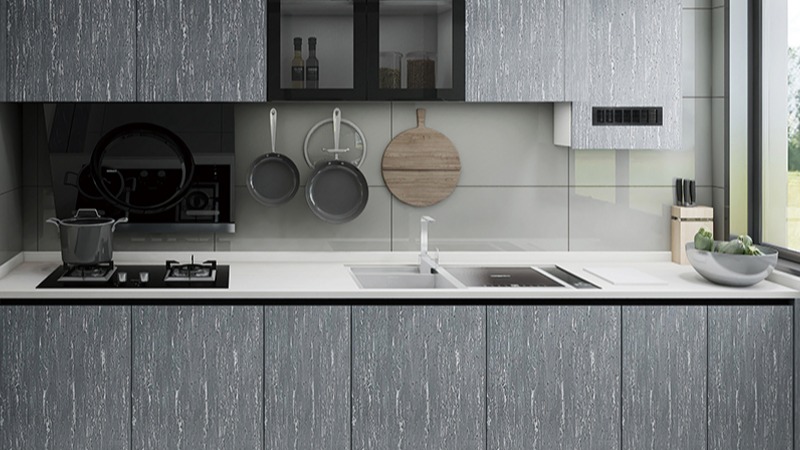




Stainless steel washbasins in gyms are easy to clean and highly practical.
Date of Release: 2026-03-03
Sharing:


Gyms and fitness centers face unique challenges when it comes to maintaining cleanliness, especially in high-traffic areas like restrooms and locker rooms.
Stainless Steel Sinks in Gyms: Why They’re the Top Choice for Easy Cleaning
Gyms and fitness centers face unique challenges when it comes to maintaining cleanliness, especially in high-traffic areas like restrooms and locker rooms. Stainless steel sinks have become a staple in these environments due to their durability, resistance to corrosion, and ease of maintenance. Their smooth, non-porous surface makes them ideal for withstanding daily exposure to sweat, grime, and cleaning chemicals without deteriorating.
The Science Behind Stainless Steel’s Cleanability
Stainless steel’s resistance to stains and bacteria stems from its chromium content, which forms a passive oxide layer on the surface. This layer acts as a protective barrier, preventing moisture and contaminants from penetrating the material. Unlike porous surfaces like ceramic or natural stone, stainless steel doesn’t absorb liquids, making it easier to wipe clean and reducing the risk of mold or mildew growth.
In environments like gyms, where hygiene is critical, stainless steel sinks shine because they can be sanitized quickly without leaving residue. Their non-porous nature also means they don’t harbor odors, a common issue in spaces with persistent moisture. This makes them a practical choice for locker room sinks, where users often rinse off after workouts.
Design Features That Enhance Cleaning Efficiency
Not all stainless steel sinks are created equal when it comes to ease of cleaning. The best options for gyms incorporate design elements that minimize dirt buildup and simplify maintenance. For example, sinks with rounded edges and smooth transitions between the basin and countertop prevent grime from accumulating in crevices. Integrated backsplashes also help contain water splashes, reducing the need for frequent mopping.
Another key feature is the sink’s depth. Deeper basins prevent water from splashing onto surrounding surfaces, keeping countertops and floors drier and cleaner. Additionally, under-mount sinks, where the basin is installed beneath the countertop, eliminate the lip where dirt and water can collect, making wiping down a breeze.
Daily Maintenance Tips for Gym Sinks
While stainless steel is low-maintenance, regular cleaning is still essential to keep it looking its best. A daily routine should include wiping down the sink with a soft cloth and mild detergent to remove sweat, soap scum, and other residues. For tougher stains, a non-abrasive cleaner and a microfiber cloth can be used without scratching the surface.
Avoid using harsh chemicals like bleach or ammonia, as these can damage the protective oxide layer over time. Instead, opt for pH-neutral cleaners specifically designed for stainless steel. For hard water spots, a vinegar-and-water solution can help dissolve mineral deposits without harming the finish.
Addressing Common Cleaning Challenges
One of the most persistent issues in gym sinks is the buildup of limescale, especially in areas with hard water. To prevent this, encourage users to dry the sink after use with a disposable towel or cloth. This reduces the time moisture sits on the surface, minimizing mineral deposits. For existing limescale, a soft-bristled brush and a mild acid cleaner can gently remove the buildup without scratching.
Another challenge is preventing scratches, which can create hiding spots for bacteria. While stainless steel is scratch-resistant, it’s not scratch-proof. Avoid using abrasive sponges or steel wool, and opt for soft cloths or nylon brushes instead. If scratches do occur, a stainless steel polish can help minimize their appearance.
Alternative Materials: Why Stainless Steel Still Wins
While other materials like artificial stone are gaining popularity in bathroom fixtures, stainless steel remains the go-to for gym sinks due to its unmatched durability. A Guangdong-based manufacturer specializing in artificial stone sanitary ware produces a range of products, including bathroom sinks and solid surface slabs, designed for residential and commercial use. However, in high-traffic gym environments, stainless steel’s ability to withstand heavy use and frequent cleaning makes it the superior choice.
Artificial stone, while aesthetically pleasing, may require more delicate handling and regular sealing to maintain its stain resistance. Stainless steel, on the other hand, needs no such maintenance and can endure the rigors of a gym setting without losing its luster.
Long-Term Benefits of Stainless Steel Sinks
Investing in stainless steel sinks for gyms offers long-term cost savings and operational efficiency. Their durability means fewer replacements over time, reducing waste and maintenance costs. Additionally, their ease of cleaning translates to less time spent on upkeep, allowing staff to focus on other critical tasks.
From a hygiene standpoint, stainless steel’s resistance to bacteria growth makes it a safer choice for users. This is especially important in shared spaces like gyms, where minimizing the spread of germs is a top priority. By choosing stainless steel, gym owners can create a cleaner, more professional environment that enhances the overall user experience.
Conclusion: The Clear Choice for Gym Hygiene
Stainless steel sinks are the clear winner when it comes to easy cleaning and durability in gym settings. Their non-porous surface, resistance to scratches, and ability to withstand harsh cleaning agents make them ideal for high-traffic areas. By incorporating thoughtful design features and following a regular maintenance routine, gyms can ensure their sinks remain clean, functional, and visually appealing for years to come.