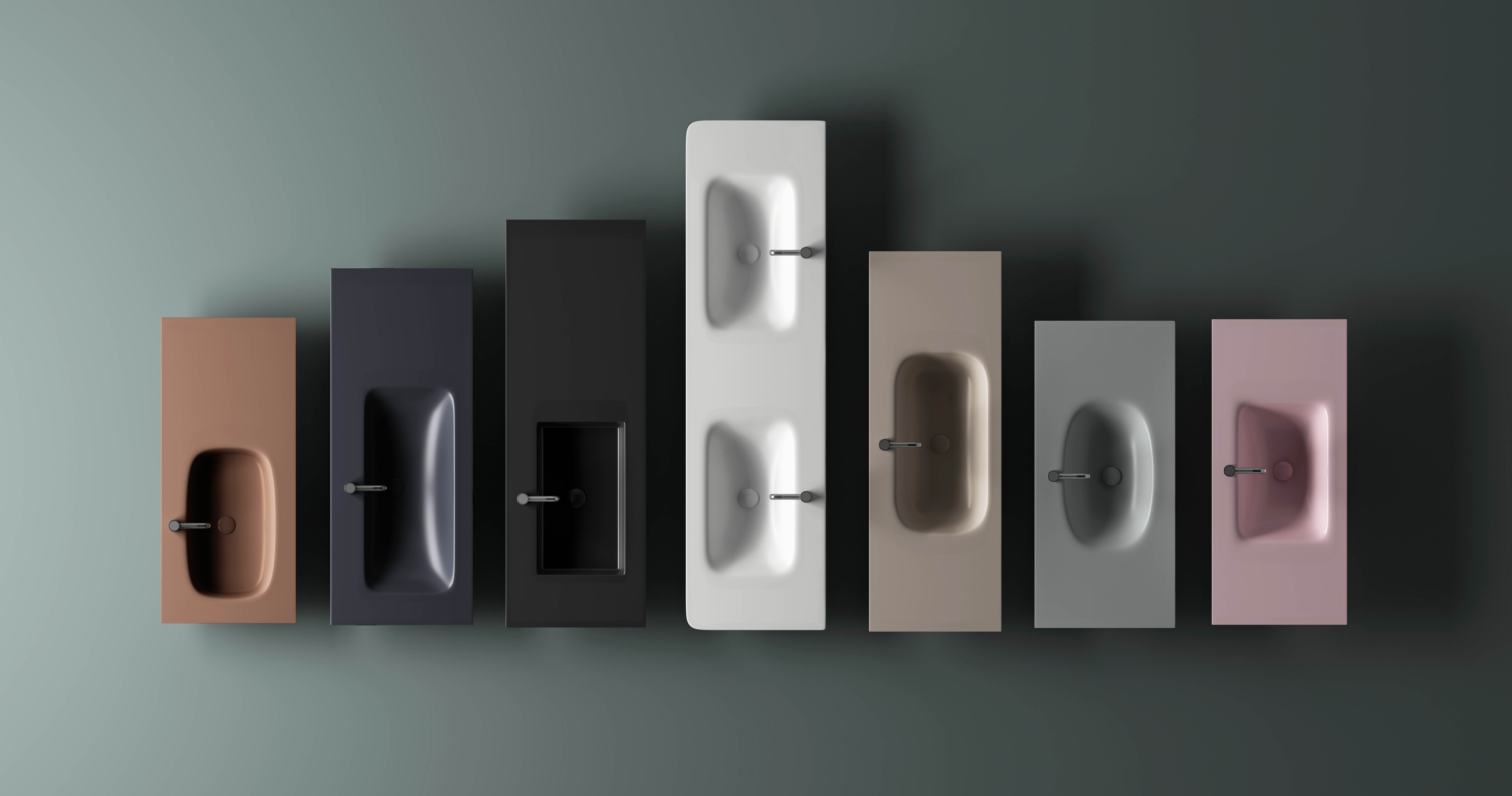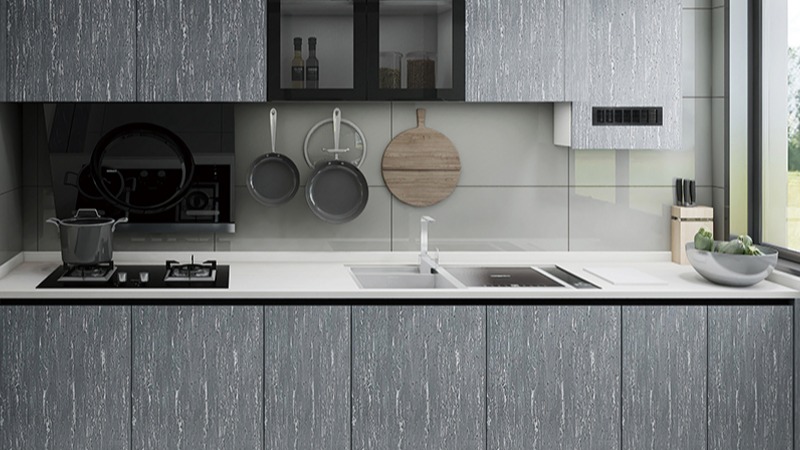




Stone washbasins in beauty salons are resistant to stains and easy to clean.
Date of Release: 2026-03-03
Sharing:


Beauty salons demand sinks that blend seamlessly with their luxurious interiors while withstanding frequent exposure to makeup, oils, and cleaning agents.
Stain-Resistant Stone Sinks for Beauty Salons: Durability Meets Aesthetics
Beauty salons demand sinks that blend seamlessly with their luxurious interiors while withstanding frequent exposure to makeup, oils, and cleaning agents. Stain-resistant stone sinks, particularly those crafted from engineered materials, offer a practical solution by combining visual appeal with long-lasting performance. Understanding the science behind these materials and their maintenance can help salon owners create hygienic, low-maintenance spaces that impress clients.
Why Engineered Stone Outperforms Natural Alternatives
Natural stone sinks, such as marble or granite, are prone to staining due to their porous structure. Even sealed surfaces can absorb pigments from makeup products or oils over time, leading to discoloration that’s difficult to remove. Engineered stone, however, is manufactured to be non-porous, creating a barrier that prevents liquids and substances from penetrating the surface. This makes it inherently more resistant to stains, even without frequent resealing.
A Guangdong-based manufacturer specializing in artificial stone sanitary ware produces materials ideal for beauty salon sinks. Their 21,000-square-meter factory in Zhao Qing City employs 200 skilled workers and maintains a daily output of 600 pieces. With a dedicated R&D team, they develop artificial stone bathroom sinks and solid surface slabs engineered to resist staining and chemical damage. Their products feature a uniform composition that eliminates weak points where stains could develop, ensuring consistent performance in high-use environments.
Key Features of Stain-Resistant Sinks
The success of stain-resistant sinks lies in their material properties and design. Engineered stone sinks are typically made by combining natural minerals with resin binders, creating a dense, homogeneous surface. This structure not only repels stains but also resists scratches, which can trap dirt and bacteria. Additionally, these sinks are available in a variety of colors and finishes, allowing salon owners to match them with their decor without sacrificing functionality.
Another advantage is their heat resistance. Beauty treatments often involve hot tools like curling irons or wax warmers, and engineered stone can withstand high temperatures without cracking or discoloring. This durability reduces the need for frequent replacements, saving salons money in the long run.
Cleaning Protocols to Maintain Stain Resistance
While engineered stone sinks are low-maintenance, proper cleaning is essential to preserve their stain-resistant properties. Daily wiping with a soft cloth and mild soap removes surface residue before it can penetrate. For tougher stains, such as makeup or hair dye, a non-abrasive cleaner and a soft-bristled brush can be used without damaging the surface. Avoid harsh chemicals like bleach or acetone, as these can degrade the resin binders over time.
Regular deep cleaning is also important. Monthly use of a pH-neutral cleaner helps remove built-up grime without altering the sink’s finish. For salons that use the sink for color treatments, rinsing immediately after use prevents pigments from drying on the surface, making them easier to remove later.
Design Considerations for Beauty Salon Sinks
Beyond material selection, sink design impacts its stain resistance and usability. Integrated sinks, where the basin is molded into the countertop, eliminate seams that can trap dirt and moisture. This seamless design also simplifies cleaning, as there are no crevices for bacteria to hide.
The shape of the sink matters too. Deep basins with gently sloping sides prevent water from splashing onto the countertop, reducing the risk of stains from spilled products. Additionally, overflow drains can help manage excess water, preventing pooling that could lead to water spots or mineral deposits.
The Role of Artificial Stone in Salon Hygiene
Hygiene is a top priority in beauty salons, and artificial stone sinks support this by being easy to sanitize. Their non-porous surface prevents bacterial growth, making them safer for clients and staff. Unlike natural stone, which may harbor microbes in its pores, engineered stone can be disinfected with common cleaning agents without losing its stain resistance.
The manufacturer’s artificial stone products, including bathroom sinks and countertops, are designed with hygiene in mind. Their solid surface slabs are used in sink construction to create a continuous, waterproof surface that resists mold and mildew. This makes them ideal for salon environments where moisture is prevalent.
Long-Term Cost Benefits of Stain-Resistant Sinks
Investing in stain-resistant sinks may have a higher upfront cost, but the long-term savings are significant. Their durability reduces the need for repairs or replacements, while their low-maintenance nature cuts down on cleaning supplies and labor. Additionally, their resistance to stains and scratches helps maintain the salon’s aesthetic appeal, attracting clients who value cleanliness and professionalism.
By choosing engineered stone sinks, beauty salons can create spaces that are both functional and visually stunning. These sinks withstand the demands of daily use while requiring minimal upkeep, allowing salon owners to focus on providing exceptional services to their clients.