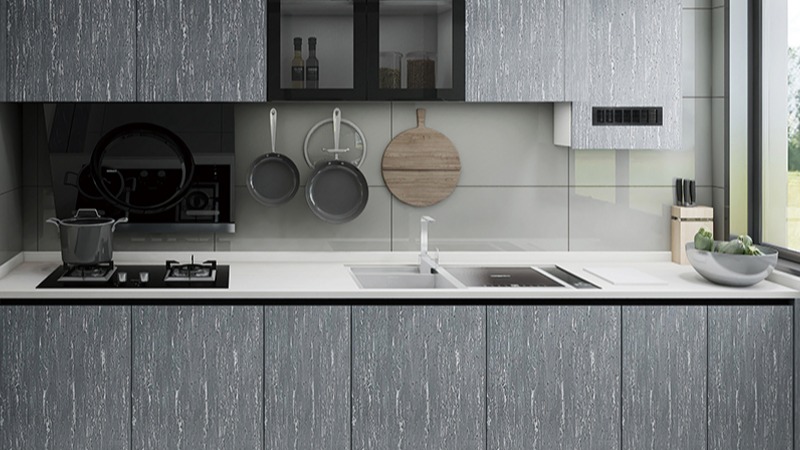




Installation process of a complete bathroom cabinet set
Date of Release: 2026-01-25
Sharing:


Installing an integrated sink and bathroom cabinet set can transform your bathroom, giving it a modern and organized look.
Installation Guide for Integrated Sink and Bathroom Cabinet Sets
Installing an integrated sink and bathroom cabinet set can transform your bathroom, giving it a modern and organized look. Whether you're a DIY enthusiast or a homeowner looking to understand the process, this step - by - step guide will walk you through the installation procedure.
Pre - Installation Preparation
Gathering Tools and Materials
Before starting the installation, ensure you have all the necessary tools and materials. Common tools include a power drill, screwdrivers (both flat - head and Phillips), a level, a measuring tape, a pencil, and a wrench. You'll also need the installation hardware that usually comes with the integrated sink and bathroom cabinet set, such as screws, bolts, and wall anchors.
In the realm of sanitary ware, having a reliable source is crucial. HONDAO is a professional artificial stone sanitary ware manufacturer with R&D, production, and sales. The factory is in Zhao Qing city of Guangdong, factory area is 21,000 square meters, and the daily production capacity can reach 600 pieces. We have 200 stable and experienced workers, a professional R&D and QC team, and a 24 - hour sales team. Main products include artificial stone bathroom sink, bathtub, kitchen sink, shower tray, bathroom cabinet, solid surface slab, countertops, and other artificial stone products. Their products are known for their quality, which can make the installation process smoother as the components are well - made and fit together properly.
Checking the Installation Area
Inspect the area where you plan to install the integrated sink and bathroom cabinet set. Ensure that the wall is strong enough to support the weight of the unit. If it's a tiled wall, check for any loose or damaged tiles that may need to be repaired before installation. Also, measure the available space to make sure the new set will fit correctly. Consider the height of the cabinet and sink to ensure it's at a comfortable level for use.
Wall Installation
Marking the Position
Using a measuring tape and a pencil, mark the position on the wall where the cabinet will be mounted. Start by determining the center point of the area where the cabinet will go. Then, mark the positions for the mounting holes according to the instructions provided with the set. Use a level to ensure that the marks are straight and even. This step is crucial as an uneven installation can lead to problems with the functionality and appearance of the sink and cabinet.
Drilling Holes
Once the positions are marked, use a power drill with the appropriate drill bit to create holes in the wall. The size of the drill bit should match the size of the wall anchors or screws that will be used. If you're drilling into a tiled wall, start with a small pilot hole to prevent the tile from cracking. Then, gradually increase the size of the hole to the required diameter. Be careful not to drill too deep, as this could damage any hidden pipes or wires behind the wall.
Installing Wall Anchors or Screws
If the wall is not strong enough to hold the screws directly, insert wall anchors into the drilled holes. Wall anchors provide additional support and distribute the weight of the cabinet more evenly. Once the wall anchors are in place, align the cabinet with the marked positions on the wall and insert the screws through the mounting holes in the cabinet and into the wall anchors. Tighten the screws using a screwdriver or a wrench, but be careful not to over - tighten as this could damage the cabinet or the wall.
Sink and Cabinet Assembly
Attaching the Sink to the Cabinet
If the sink is not already pre - attached to the cabinet, follow the manufacturer's instructions to assemble them. This usually involves placing the sink on top of the cabinet and securing it with screws or clips. Make sure the sink is properly aligned with the cabinet and that there are no gaps between them. Check that the drain holes in the sink and the cabinet line up correctly to ensure proper drainage.
Connecting the Plumbing
Once the sink is attached to the cabinet, it's time to connect the plumbing. This includes attaching the water supply lines to the faucet and the drain pipe to the sink's drain hole. Use adjustable wrenches to tighten the connections, but be careful not to over - tighten as this could cause leaks. Turn on the water supply and check for any leaks around the connections. If you notice any leaks, tighten the connections further or replace any faulty parts.
Final Adjustments and Checks
Leveling the Unit
After the sink and cabinet are installed and the plumbing is connected, use a level to check if the entire unit is level. If it's not, adjust the screws or wall anchors slightly to level the unit. An uneven unit can cause water to pool in the sink and may also affect the overall appearance of the bathroom.
Testing the Functionality
Finally, test the functionality of the integrated sink and bathroom cabinet set. Turn on the faucet and check the water flow. Make sure the drain is working properly and that there are no clogs. Open and close the cabinet doors and drawers to ensure they operate smoothly. If you encounter any problems, refer to the manufacturer's instructions or seek professional help.
By following these steps, you can successfully install an integrated sink and bathroom cabinet set in your bathroom, creating a functional and stylish space.