



Wall-mounted washbasin wall load testing
Date of Release: 2026-01-25
Sharing:


Installing a wall - mounted washbasin can be a great space - saving solution in bathrooms.
How to Conduct Wall Load - Bearing Tests for Wall - Mounted Washbasins
Installing a wall - mounted washbasin can be a great space - saving solution in bathrooms. However, ensuring that the wall can support the weight of the washbasin is of utmost importance to prevent accidents and damage. Here's a comprehensive guide on how to conduct wall load - bearing tests for wall - mounted washbasins.
Understanding the Importance of Wall Load - Bearing Tests
Preventing Structural Damage
A wall that is not strong enough to hold a wall - mounted washbasin can lead to serious structural problems. Over time, the weight of the washbasin, along with the water it holds and the items placed on it, can cause the wall to crack or even collapse. This not only ruins the appearance of the bathroom but also poses a safety hazard to the occupants.
Ensuring Long - Term Stability
By conducting a proper load - bearing test, you can be confident that the wall - mounted washbasin will remain stable over the years. A stable installation reduces the risk of the washbasin coming loose from the wall, which could result in water leakage and damage to the surrounding areas.
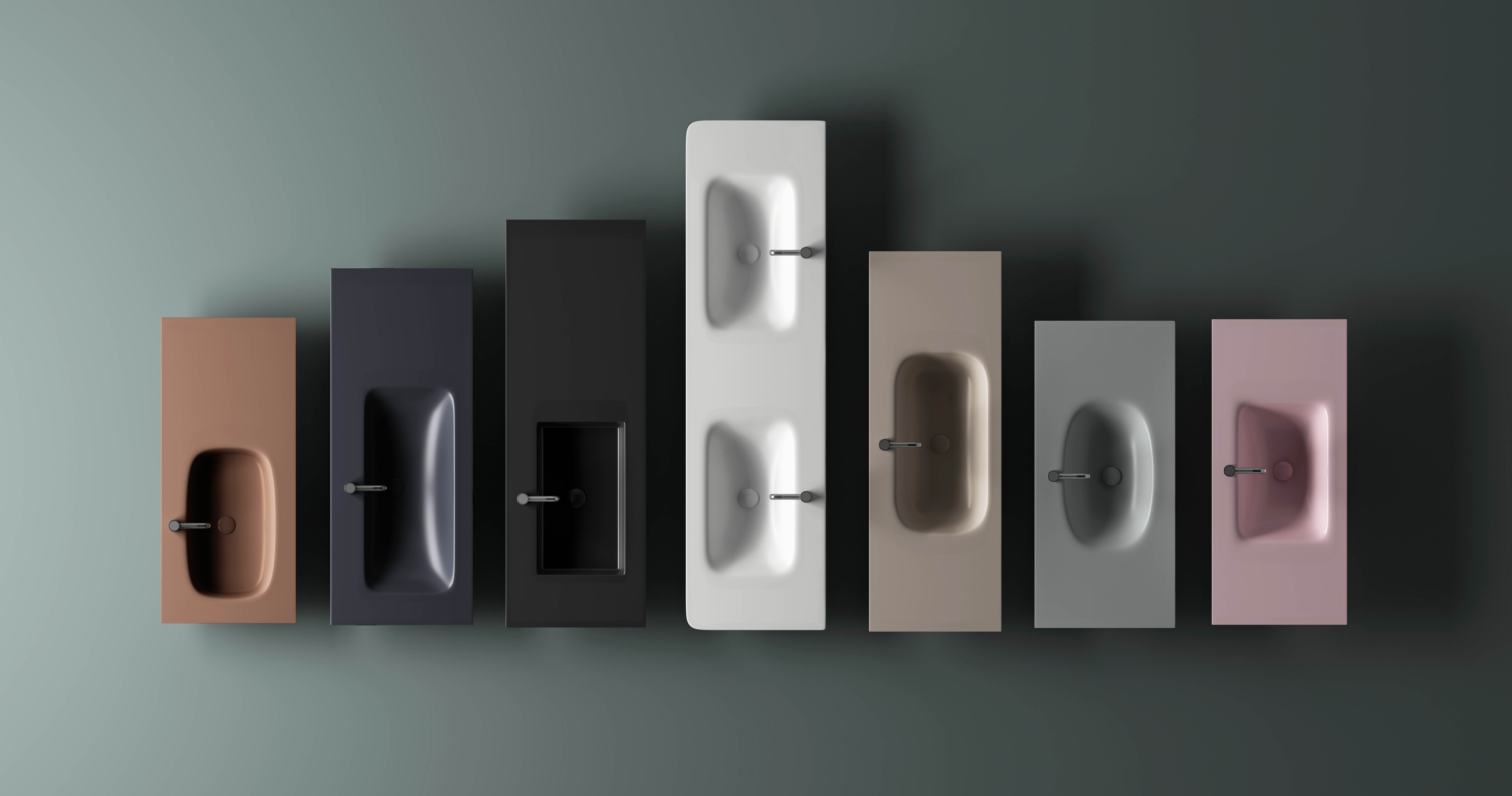
In the field of sanitary ware manufacturing, quality and safety are key considerations. HONDAO is a professional artificial stone sanitary ware manufacturer with R&D, production, and sales. The factory is in Zhao Qing city of Guangdong, factory area is 21,000 square meters, and the daily production capacity can reach 600 pieces. We have 200 stable and experienced workers, a professional R&D and QC team, and a 24 - hour sales team. Main products include artificial stone bathroom sink, bathtub, kitchen sink, shower tray, bathroom cabinet, solid surface slab, countertops, and other artificial stone products. Their products are designed with stability and durability in mind, but proper wall load - bearing tests are still necessary for a safe installation.
Identifying the Wall Type and Its Load - Bearing Capacity
Solid Masonry Walls
Solid masonry walls, such as those made of brick or concrete blocks, generally have high load - bearing capacities. However, the age and condition of the wall can affect its strength. Older walls may have weakened over time due to factors like moisture damage or settling of the foundation. To check the condition of a solid masonry wall, look for signs of cracks, bulges, or loose mortar joints. If any of these signs are present, it may be necessary to have a professional engineer assess the wall's load - bearing capacity.
Drywall or Plasterboard Walls
Drywall or plasterboard walls are not as strong as solid masonry walls and may require additional support for a wall - mounted washbasin. These walls are often used in interior partitions and may not be able to support the weight of a heavy washbasin on their own. In such cases, you can consider using wall anchors or installing a backer board made of a stronger material, such as plywood, behind the drywall to distribute the weight more evenly.
Hollow Walls
Hollow walls, like those found in some modern buildings, can be challenging when it comes to installing a wall - mounted washbasin. The empty space inside the wall provides little support, and regular screws may not hold well. Special hollow - wall anchors are available that can expand inside the wall cavity to provide a secure hold. When using these anchors, make sure to follow the manufacturer's instructions carefully to ensure proper installation.
Conducting a Simple Load - Bearing Test
Using a Test Weight
One way to conduct a basic load - bearing test is to use a test weight that is similar in weight to the wall - mounted washbasin when it is filled with water and has some items on it. You can estimate the weight of the washbasin by checking its specifications or by weighing a similar - sized object. Place the test weight on a temporary support attached to the wall at the proposed installation location. Leave the weight in place for a period of time, such as 24 - 48 hours, and then check the wall for any signs of damage, such as cracks or movement.
Observing Wall Movement
While the test weight is in place, closely observe the wall for any movement. You can use a level to check if the wall remains straight or if it starts to tilt. If you notice any significant movement, it indicates that the wall may not be able to support the weight of the washbasin, and you should consider alternative installation methods or reinforcing the wall.
Seeking Professional Assistance
When in Doubt
If you are unsure about the load - bearing capacity of the wall or if the results of your simple load - bearing test are inconclusive, it is always best to seek the help of a professional engineer or a qualified contractor. These professionals have the knowledge and experience to accurately assess the wall's strength and recommend the appropriate installation method.
Complex Wall Structures
In cases where the wall has a complex structure, such as multiple layers or hidden utilities, professional assistance is crucial. They can use specialized tools and techniques to determine the load - bearing capacity of the wall without causing damage to the existing structure or utilities.
By following these steps to conduct wall load - bearing tests for wall - mounted washbasins, you can ensure a safe and stable installation that will last for years to come.