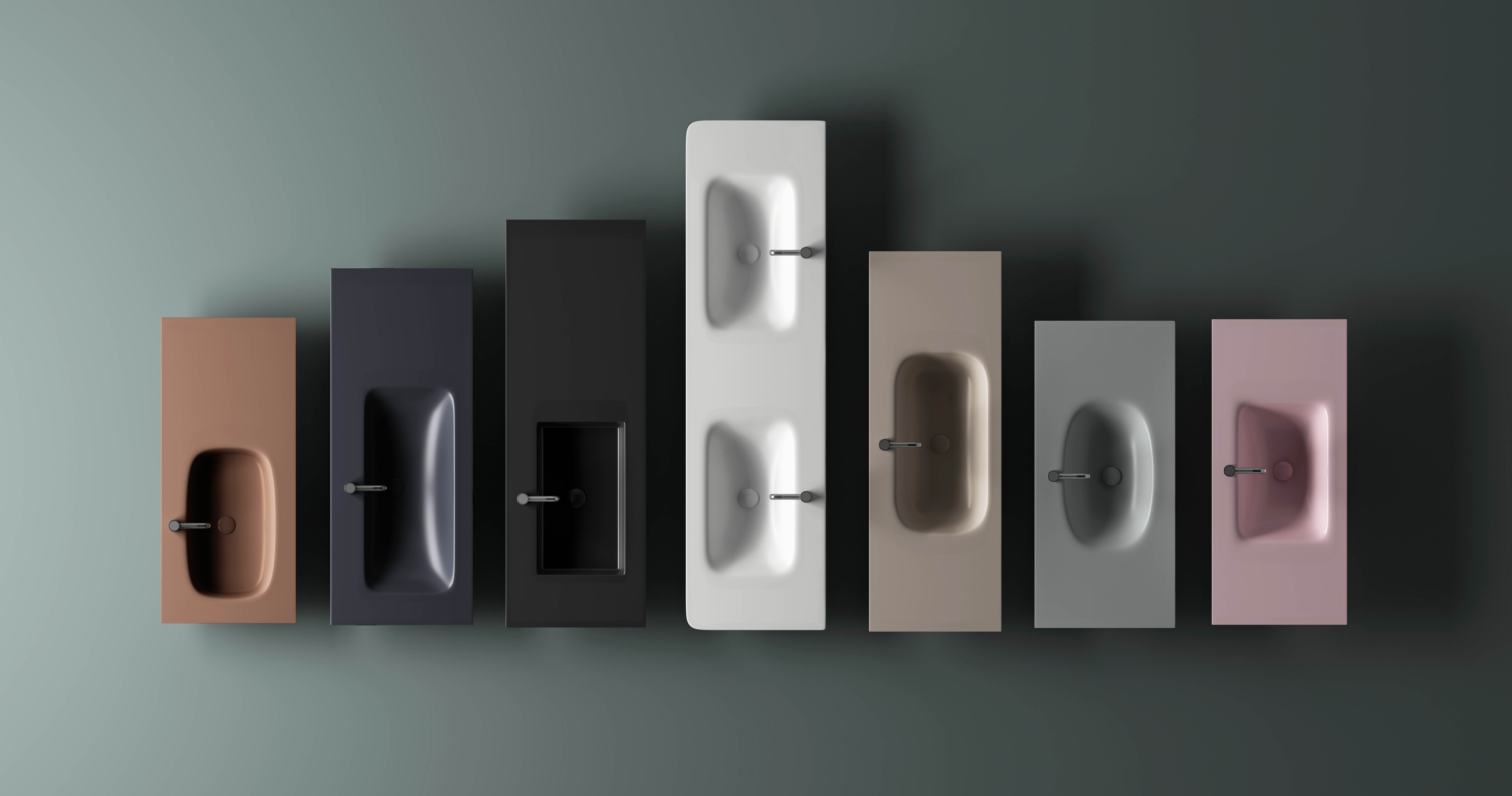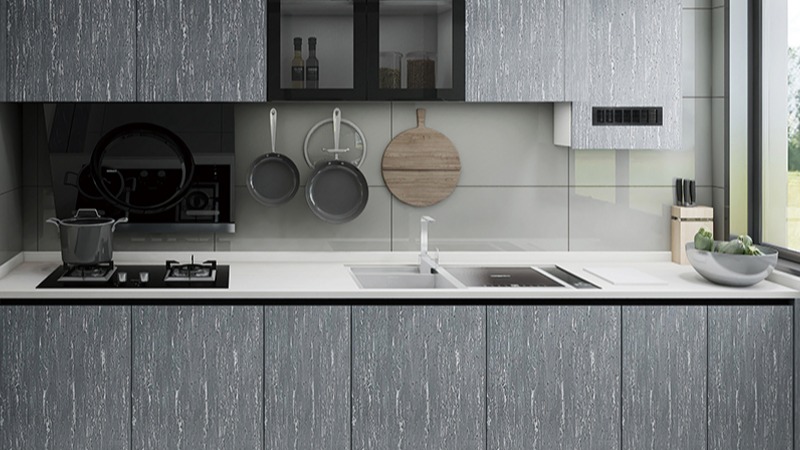




The deep sink washbasin is designed with splash-proof function
Date of Release: 2025-12-25
Sharing:


When it comes to bathroom sinks, a deep - trough design offers ample space for various washing tasks.
Innovative Design Features for Splash - Prevention in Deep - Trough Bathroom Sinks
When it comes to bathroom sinks, a deep - trough design offers ample space for various washing tasks. However, one common issue that users often face is water splashing out during use, which can create a mess on the countertop and the surrounding area. To address this problem, several design features can be incorporated into deep - trough bathroom sinks to enhance their splash - prevention capabilities.
Strategic Slope and Curvature Design
The slope and curvature of a deep - trough bathroom sink play a crucial role in controlling water flow and preventing splashes. A well - designed sink should have a gentle slope from the back to the front. This slope encourages water to naturally flow towards the drain rather than splashing upwards or outwards.
The curvature of the sink's sides also matters. Instead of having straight, vertical sides, a slightly curved design can help to redirect the water flow. When water hits the curved sides, it is more likely to follow the contour and flow back into the sink rather than being projected outwards. This design principle is similar to the way the hull of a boat is shaped to reduce water resistance and splashing.
In the realm of sanitary ware manufacturing, HONDAO, a professional artificial stone sanitary ware manufacturer with R&D, production, and sales capabilities, understands the importance of such design details. Their factory, located in Zhao Qing city of Guangdong, covers an area of 21,000 square meters and has a daily production capacity of up to 600 pieces. With 200 stable and experienced workers, a professional R&D and QC team, and a 24 - hour sales team, they produce a wide range of artificial stone products including artificial stone bathroom sinks. These sinks can benefit from strategic slope and curvature designs to enhance their splash - prevention performance.
Optimizing the Drain Position
The position of the drain in a deep - trough bathroom sink is another key factor in splash prevention. Placing the drain at the lowest point of the sink ensures that water flows directly towards it with minimal resistance. If the drain is not positioned correctly, water may accumulate in certain areas of the sink, increasing the likelihood of splashing when additional water is added or when hands are moved around in the sink.
A central or slightly off - center drain position can work well, depending on the overall shape of the sink. For an oval - shaped deep - trough sink, a central drain can provide balanced water flow, while for a rectangular sink, an off - center drain towards one end can be more effective in preventing water from pooling in the corners.
Incorporating Splash Guards
Splash guards are additional features that can be added to deep - trough bathroom sinks to further reduce water splashing. These can be in the form of small, raised ridges or lips around the edges of the sink. The splash guards act as barriers, preventing water from escaping the sink when it is splashed upwards during activities such as washing hands or brushing teeth.
Some splash guards are designed to be adjustable, allowing users to customize the level of protection based on their specific needs. For example, if a user is performing a task that generates a lot of splashing, they can raise the splash guards to a higher position for maximum protection. When the task is completed, the guards can be lowered for a more streamlined look.
Selecting the Right Material for Enhanced Performance
The material used to make the deep - trough bathroom sink also influences its splash - prevention ability. Smooth, non - porous materials are ideal as they reduce the surface tension of water, making it less likely to form droplets that can splash out. Artificial stone, which is one of the materials used by manufacturers like HONDAO, is a great option.
Artificial stone has a smooth surface that allows water to flow freely without creating large splashes. It is also durable and easy to clean, which is important for maintaining the sink's splash - prevention performance over time. Additionally, artificial stone can be molded into various shapes and designs, giving manufacturers the flexibility to incorporate the previously mentioned slope, curvature, and splash - guard features effectively.
By considering these design features and material selection, deep - trough bathroom sinks can be optimized to provide excellent splash - prevention capabilities, ensuring a clean and dry bathroom environment for users.