



Silent drainage washbasin noise reduction function design
Date of Release: 2025-12-25
Sharing:


When it comes to bathroom renovations, creating a peaceful and serene environment is a top priority for many homeowners.
Designing Noise - Reducing Features for Quiet - Draining Bathroom Sinks
When it comes to bathroom renovations, creating a peaceful and serene environment is a top priority for many homeowners. One often - overlooked aspect that can disrupt this tranquility is the noise generated by the bathroom sink during drainage. A well - designed quiet - draining bathroom sink can significantly enhance the overall bathroom experience. Here's an in - depth look at how to incorporate noise - reducing features into your bathroom sink design.
Understanding the Sources of Drainage Noise
Before delving into design solutions, it's crucial to understand where the noise comes from. The main sources of drainage noise in a bathroom sink include the impact of water hitting the sink bottom, the sound of water flowing through the drainpipe, and any vibrations or resonances within the sink and plumbing system.
The force of water dropping from the faucet onto the sink surface can create a loud splashing sound, especially if the sink has a hard and flat bottom. Additionally, as water rushes through the drainpipe, it can generate a gurgling or rushing noise, which can be amplified if the pipe is not properly installed or if there are air pockets trapped inside. Vibrations within the sink and plumbing can also contribute to the overall noise level, particularly if the sink is not securely mounted or if the pipes are loose.
Sink Material and Shape for Noise Reduction
The choice of sink material plays a vital role in minimizing drainage noise. Soft and flexible materials can absorb more of the impact energy when water hits the sink bottom, reducing the splashing sound. For example, some modern sinks are made from materials that have shock - absorbing properties. These materials can dampen the vibrations caused by water flow, resulting in a quieter drainage process.
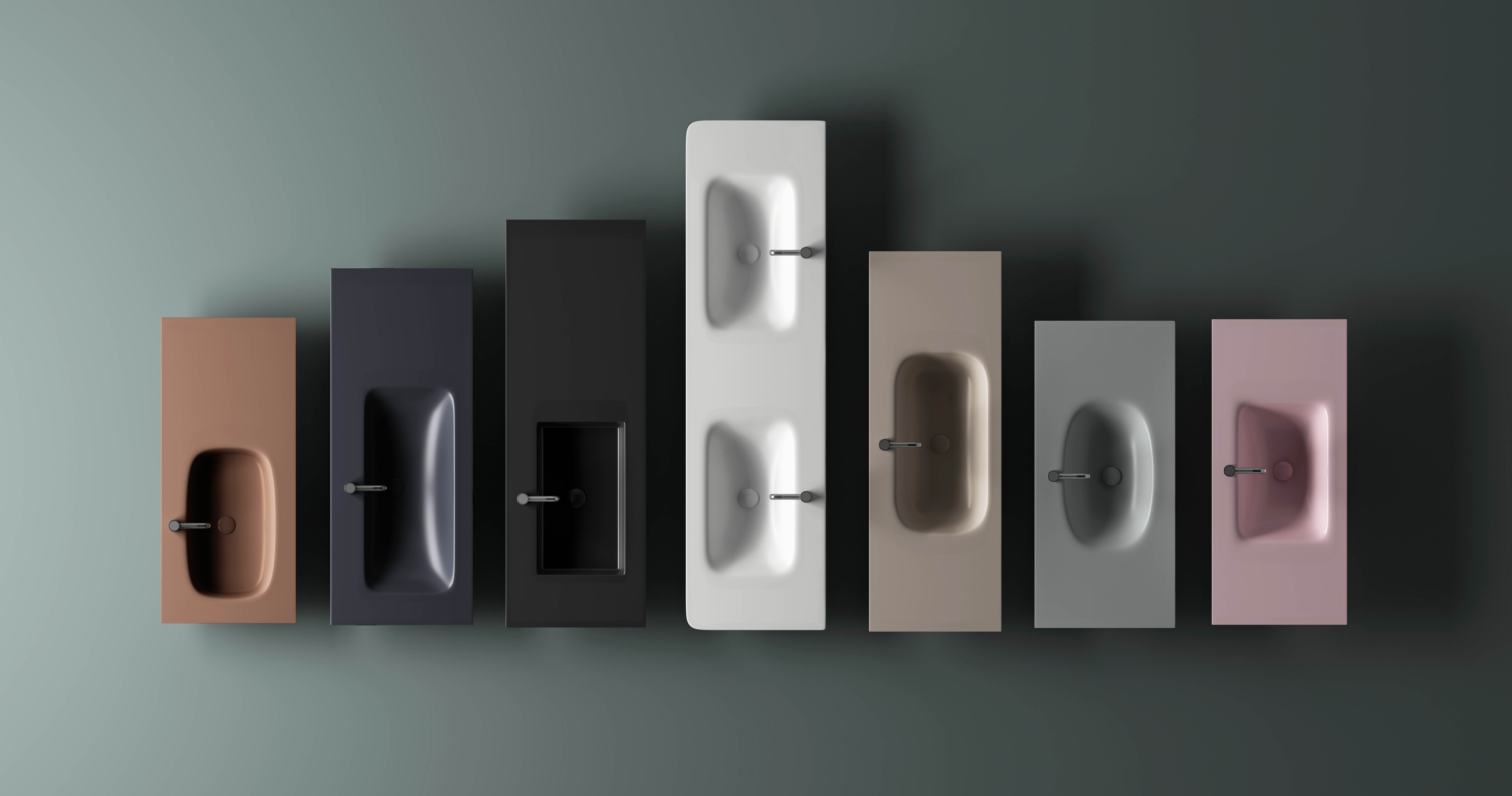
The shape of the sink also has a significant impact on noise reduction. A sink with a sloped or curved bottom can help guide the water smoothly towards the drain, reducing the force of the impact. Instead of water hitting the sink bottom with a loud thud, it will flow gently down the slope, minimizing the noise. Moreover, a sink with a deeper basin can also help in this regard. The deeper the basin, the less distance the water has to fall, which can further reduce the impact noise.
In the realm of sink materials, artificial stone is a great option to consider. There's a professional artificial stone sanitary ware manufacturer with R&D, production, and sales capabilities. Their factory, located in Zhao Qing city of Guangdong, spans an area of 21,000 square meters and has a daily production capacity of up to 600 pieces. With 200 stable and experienced workers, a professional R&D and QC team, and a 24 - hour sales team, they produce high - quality artificial stone bathroom sinks, along with other products like bathtubs, kitchen sinks, shower trays, bathroom cabinets, solid surface slabs, and countertops. Artificial stone sinks can be engineered to have excellent noise - reducing properties while also offering durability and aesthetic appeal.
Drainpipe Design and Installation for Quieter Drainage
The design and installation of the drainpipe are equally important in achieving a quiet - draining bathroom sink. A well - designed drainpipe should have a smooth inner surface to minimize friction as water flows through it. Rough or uneven surfaces can cause turbulence in the water flow, leading to increased noise.
To further reduce noise, consider using a drainpipe with a larger diameter. A larger pipe allows water to flow more slowly and steadily, reducing the rushing and gurgling sounds. Additionally, proper installation is crucial. The drainpipe should be securely fastened to the sink and the wall to prevent vibrations. Using rubber gaskets or insulation around the connections can also help absorb any vibrations and reduce noise transmission.
Another aspect to consider is the use of a drain trap. A properly installed drain trap can help maintain a small amount of water in the pipe, which acts as a barrier to prevent air from being drawn in and out of the drain. This can significantly reduce the gurgling noises that often occur during drainage.
Additional Noise - Reducing Accessories
There are also several accessories that can be added to a bathroom sink to enhance its noise - reducing capabilities. For example, a sink mat or pad placed at the bottom of the sink can absorb the impact of water droplets, reducing the splashing sound. These mats are usually made from soft, non - slip materials that are easy to clean and maintain.
Another useful accessory is a flow restrictor. A flow restrictor can be installed on the faucet to reduce the water flow rate. By controlling the amount of water entering the sink, it can minimize the force of the impact on the sink bottom and the noise generated during drainage. However, it's important to choose a flow restrictor that still provides sufficient water pressure for normal use.
By incorporating these design elements and accessories, you can create a bathroom sink that offers quiet and efficient drainage, contributing to a more peaceful and relaxing bathroom environment.