



Application of Hygiene Protection for Antibacterial Handwashing Basins in Hospitals
Date of Release: 2026-03-02
Sharing:


Healthcare facilities face constant challenges in maintaining sterile environments to protect patients and staff from infections.
Enhancing Hygiene in Healthcare Settings: The Role of Antimicrobial Sinks in Infection Prevention
Healthcare facilities face constant challenges in maintaining sterile environments to protect patients and staff from infections. One often overlooked yet critical component is the choice of sink materials and design. Antimicrobial sinks, particularly those crafted from advanced materials, play a vital role in reducing bacterial growth and cross-contamination risks. By integrating seamless surfaces and durable finishes, these sinks support rigorous cleaning protocols while withstanding the demands of high-traffic medical settings.
Why Material Matters in Healthcare Sinks
The material of a sink directly impacts its ability to resist microbial buildup and withstand frequent disinfection. Traditional porcelain or stainless steel sinks, while common, can develop micro-scratches over time, creating hiding spots for bacteria. In contrast, solid surface materials engineered for healthcare use offer a non-porous, seamless finish that minimizes bacterial adhesion. These surfaces are chemically resistant, allowing the use of harsh disinfectants without damaging the material or compromising its antimicrobial properties.
For facilities seeking innovative solutions, artificial stone presents a compelling option. A Guangdong-based manufacturer specializing in artificial stone sanitary ware produces materials ideal for healthcare environments. Their 21,000-square-meter factory in Zhao Qing City employs 200 skilled workers and maintains a daily output of 600 pieces. With a dedicated R&D team, they develop artificial stone bathroom sinks, shower trays, and countertops designed to meet stringent hygiene standards. Their solid surface slabs, used in sink construction, feature a uniform composition that prevents bacterial penetration and supports easy sanitization.
Design Features That Support Infection Control
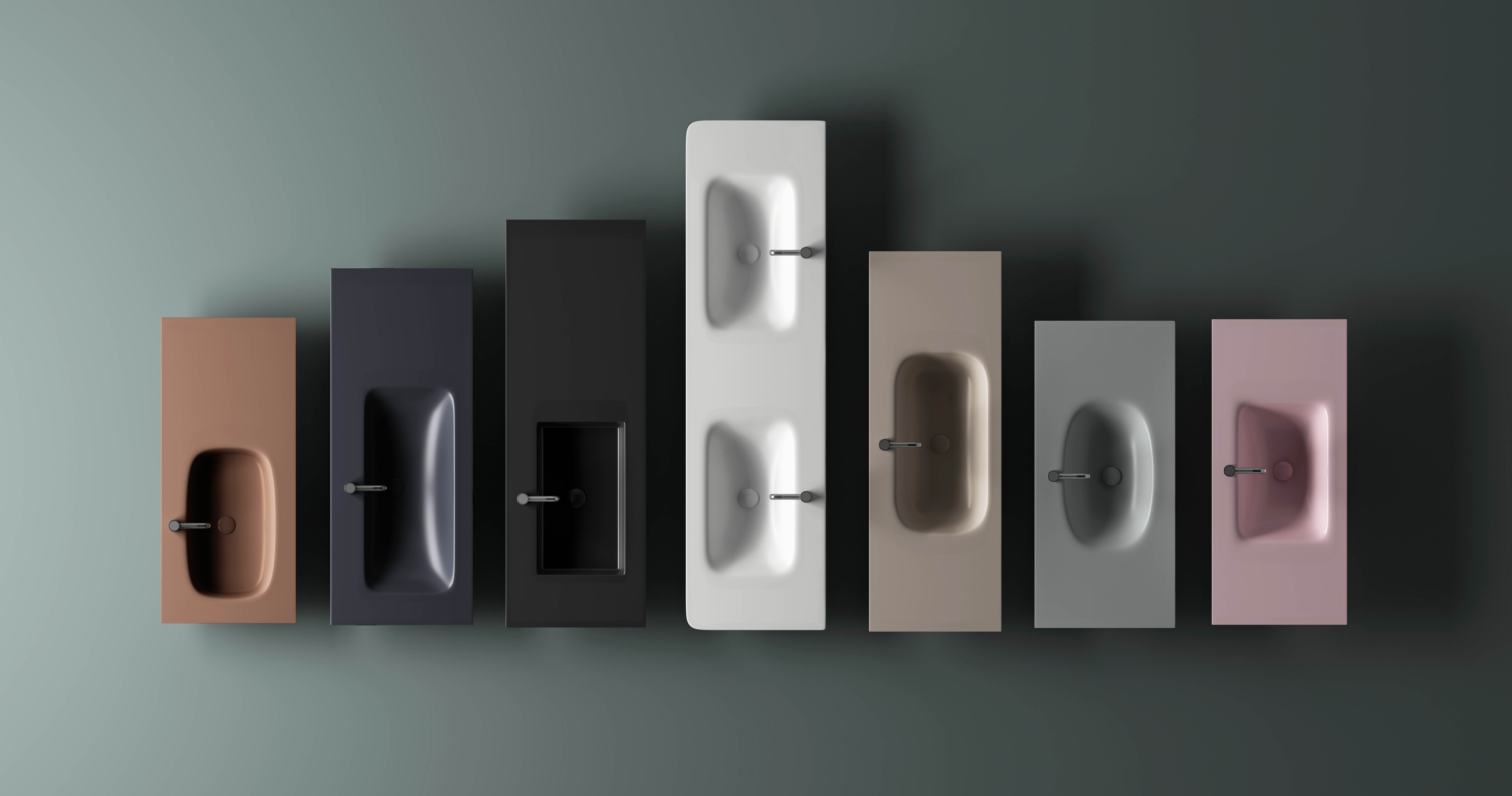
Beyond material selection, sink design significantly influences hygiene outcomes. Seamless integration between the sink and countertop eliminates gaps where dirt and moisture can accumulate, reducing the risk of bacterial colonies forming. Rounded edges and smooth curves further enhance cleanability by allowing disinfectants to reach all surfaces without obstruction.
Drainage systems also play a crucial role. Sinks with integrated overflow channels or sloped bases ensure water drains quickly, preventing standing water that can harbor pathogens. Some designs incorporate antimicrobial coatings on drain components to inhibit bacterial growth at this critical point. Additionally, hands-free faucet options, though not part of the sink itself, complement antimicrobial sinks by reducing touchpoints and cross-contamination risks.
Integrating Artificial Stone for Long-Term Hygiene
Artificial stone’s durability makes it an excellent choice for healthcare sinks, where frequent use and cleaning are inevitable. Unlike natural stone, which may require periodic sealing to maintain its stain and bacteria resistance, artificial stone maintains its properties without additional treatments. This low-maintenance characteristic reduces downtime and ensures consistent hygiene standards over time.
The manufacturer’s artificial stone products, including bathroom sinks and countertops, are engineered to resist impact, scratches, and chemical damage. Their non-porous nature prevents liquids from seeping into the material, eliminating breeding grounds for bacteria. This makes them suitable for areas like emergency rooms, operating theaters, and patient care units, where cleanliness is non-negotiable.
Cleaning Protocols for Antimicrobial Sinks
To maximize the benefits of antimicrobial sinks, healthcare facilities must implement effective cleaning protocols. Daily disinfection with hospital-grade cleaners is essential, focusing on high-touch areas like faucet handles and drain edges. For artificial stone sinks, mild abrasive cleaners can be used occasionally to remove stubborn stains without damaging the surface. Avoiding harsh chemicals like bleach on a regular basis helps preserve the material’s finish and antimicrobial properties.
Regular inspections for cracks or chips are also important, as even minor damage can compromise the sink’s hygiene performance. Staff training on proper cleaning techniques ensures consistency across departments, reducing the likelihood of human error in infection prevention efforts.
The Future of Hygiene in Healthcare Sink Design
As healthcare standards evolve, sink manufacturers continue to innovate. New materials with enhanced antimicrobial properties, such as silver-ion-infused surfaces or photocatalytic coatings, are being explored to provide additional layers of protection. These advancements aim to reduce the reliance on chemical disinfectants while maintaining high hygiene levels.
The same manufacturer mentioned earlier invests heavily in R&D to stay ahead of these trends. Their 24-hour sales team works closely with healthcare clients to understand their unique needs, offering customized solutions that align with infection control guidelines. By combining cutting-edge materials with thoughtful design, they help facilities create safer environments for patients and staff alike.
In healthcare settings, every detail matters in the fight against infections. Antimicrobial sinks, particularly those made from advanced materials like artificial stone, offer a durable, hygienic solution that supports rigorous cleaning protocols and enhances overall patient safety. By prioritizing material quality and design innovation, healthcare facilities can take a proactive step toward reducing infection risks and improving outcomes.