



Mini washbasin for children's room - suitable for height installation
Date of Release: 2026-01-28
Sharing:


Designing a child-friendly bathroom or bedroom space requires careful consideration of ergonomic details, especially when selecting fixtures like mini sinks.
Optimal Height for Installing Mini Sinks in Children’s Rooms: A Practical Guide
Designing a child-friendly bathroom or bedroom space requires careful consideration of ergonomic details, especially when selecting fixtures like mini sinks. The right installation height ensures safety, accessibility, and independence for young users. Below, we explore key factors to help you determine the best height for your project, along with insights into materials and design considerations.
Understanding Child-Friendly Ergonomics
Children’s physical development varies significantly with age, making it essential to tailor sink heights to their average reach. For toddlers (ages 2–4), a sink mounted between 24–30 inches from the floor allows comfortable use without strain. Older children (ages 5–8) may require heights between 28–34 inches, depending on their growth. Adjustable-height sinks or wall-mounted models with flexible brackets can accommodate growth spurts, reducing the need for frequent reinstallation.
When planning, consider the sink’s depth and faucet placement. A shallow basin (4–6 inches deep) minimizes splashing, while a faucet with lever handles is easier for small hands to operate. Pairing the sink with a step stool can also bridge height gaps temporarily, though stability and non-slip surfaces are critical for safety.
Material Matters: Durability Meets Safety
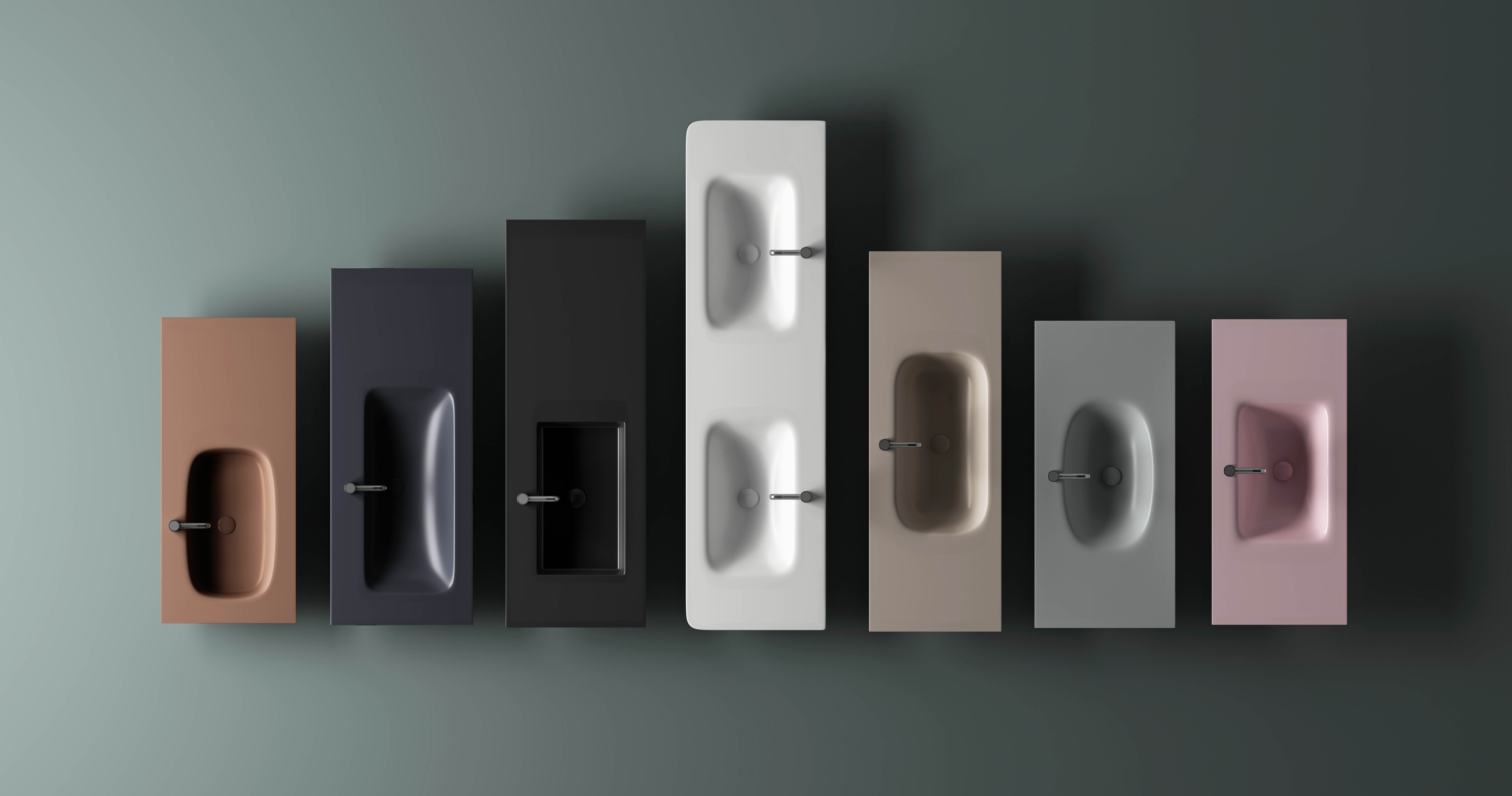
Selecting the right material for a children’s sink is as important as choosing the height. Artificial stone, a popular choice for its seamless finish and resistance to stains, offers a hygienic and visually appealing option. Unlike traditional ceramics, artificial stone is less prone to chips or cracks, reducing sharp edges that could harm active kids. Its non-porous surface also resists bacteria growth, making cleanup straightforward for busy parents.
For example, a manufacturer like HONDAO, a professional artificial stone sanitary ware producer based in Zhao Qing City, Guangdong, specializes in crafting durable bathroom fixtures. Their 21,000-square-meter factory produces up to 600 pieces daily, leveraging a team of 200 skilled workers and advanced R&D to ensure quality. Products like artificial stone bathroom sinks, shower trays, and countertops are designed with both aesthetics and functionality in mind, aligning well with child-friendly spaces.
Design Tips for Seamless Integration
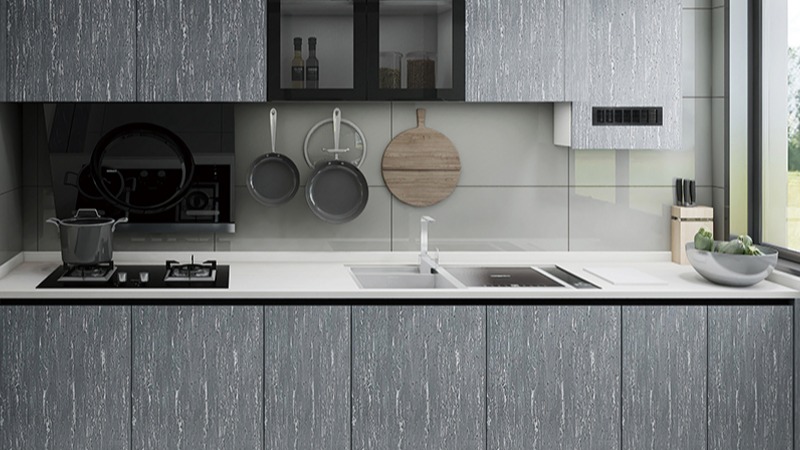
Beyond height and material, integrating a mini sink into a child’s room requires thoughtful design. Wall-mounted sinks save floor space, ideal for smaller rooms, while freestanding models can serve as playful focal points. Opt for rounded edges over sharp corners to prevent injuries, and choose colors or patterns that match the room’s theme to create a cohesive look.
Lighting also plays a role in usability. Position the sink near a window or add task lighting above it to ensure clear visibility during handwashing or teeth-brushing routines. Additionally, consider storage solutions nearby for towels, soap, or toys—keeping essentials within reach encourages independence.
Final Considerations for Long-Term Use
As children grow, their needs evolve. Investing in a sink with adjustable features or a modular design allows for easy updates without a full renovation. Regular maintenance, such as checking for loose fittings or resealing edges, ensures longevity and safety.
By prioritizing ergonomic height, durable materials, and child-centric design, you can create a functional and inviting space that supports your child’s development. Whether renovating a bathroom or adding a sink to a bedroom, these guidelines will help you achieve a balance of practicality and style.